
Prime High Streets and Retail Parks: Where Retail Occupier Demand Is Concentrating
Retail demand is returning, but not evenly. Occupiers are concentrating into prime high streets, dominant schemes, and established retail parks where risk is easier to underwrite.
Retail demand is back, but it is not being distributed generously.
Occupiers are concentrating into the formats and locations that are easiest to justify internally: prime high streets, dominant schemes, and established retail parks.
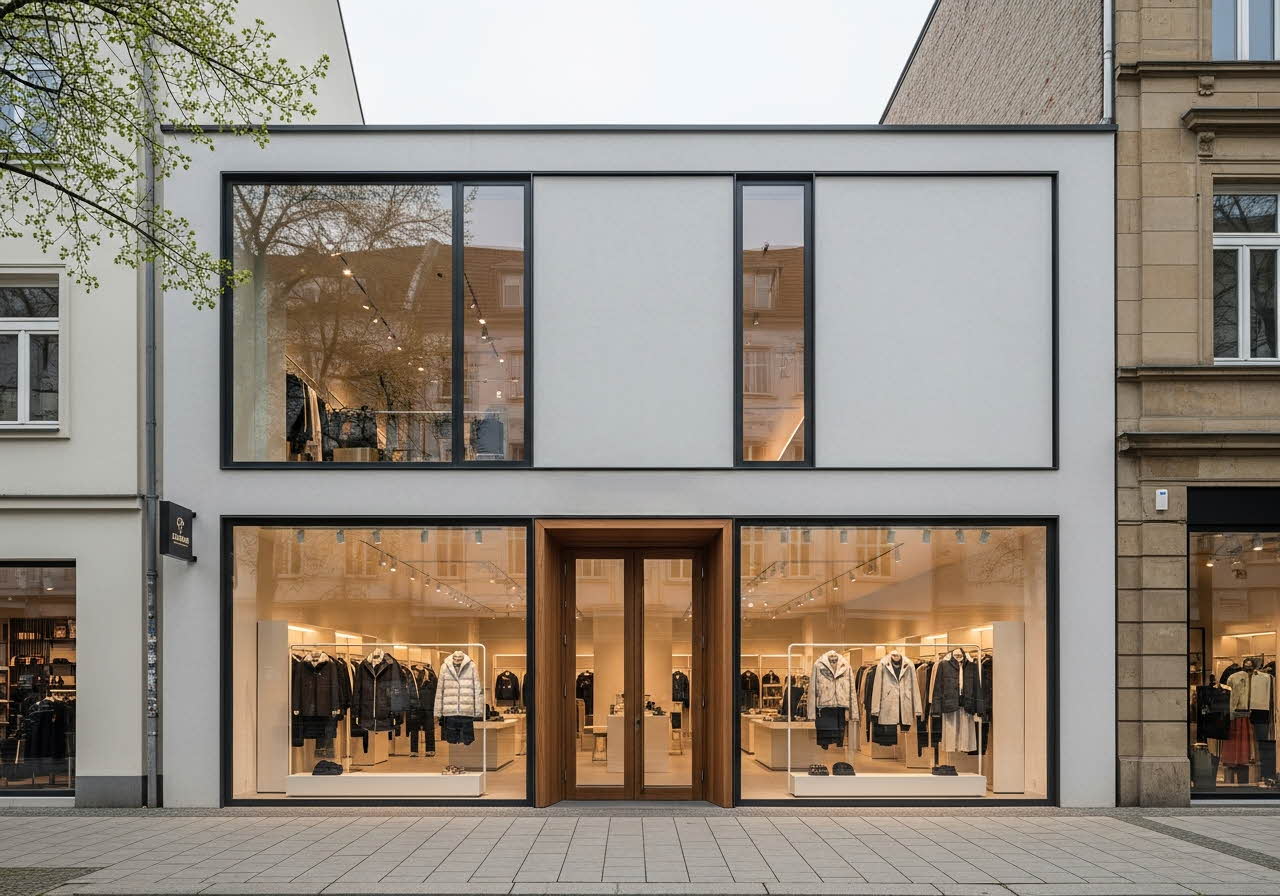
That concentration is becoming one of the defining market dynamics of 2026.
Prime Locations Are Pulling Ahead Again
JLL reported that Europe's top seven cities recorded a 20% year-over-year rise in notable store openings in 2025, while other major European cities saw 39% growth. It also noted that prime high street rents rose 3.6% and prime shopping-centre rents 2.6% in Q4 2025.
This tells us something important: occupier demand is not broadly casual. It is selective and confidence-led.
Retailers are willing to expand, but they are choosing formats and corridors where the performance case is already legible.
Retail Parks Are Winning on Clarity
Cushman & Wakefield's CEE Retail MarketBeat shows the same concentration from a different angle.
In Q1 2026, retail park deliveries reached 153,600 square meters versus only 12,900 square meters for shopping centres. The construction pipeline was also much heavier for retail parks than for shopping centres.
That is a powerful signal. Developers and occupiers alike are leaning into formats that offer simple access, clear parking logic, convenience-led trips, and easier operating economics.
The Performance Gap Is Widening
This creates a widening gap between dominant assets and secondary stock.
Prime high streets and proven retail parks benefit from:
- stronger brand visibility,
- better established trade patterns,
- lower ambiguity around catchment quality,
- and easier board-level justification for expansion.
Secondary assets, by contrast, must work much harder to explain why they deserve the same tenancy.
This Is Not Broad Retail Optimism
The wrong reading is that retail demand is simply rising everywhere.
The sharper reading is that demand is concentrating where execution risk is lower. Occupiers still want expansion, but they want it in formats that are already validated by traffic, convenience, and existing tenant mix.
That is why prime and proven assets keep pulling demand first.
What Owners Should Do
For owners, the task is to understand whether the asset competes as a destination, a convenience stop, or a daily-needs node.
The answer changes everything:
- which tenants to target,
- how to position the scheme,
- what rents are defensible,
- and which occupier stories the asset can credibly win.
The winners are not just premium assets. They are legible assets.
The Strategic Shift
Occupier demand is not vanishing. It is becoming more disciplined.
Retailers are not saying yes to everything. They are saying yes to locations that make the expansion logic obvious.
That is why prime high streets and established retail parks are winning. They reduce strategic uncertainty. In a tighter market, that matters more than generic availability ever could.