
Beyond Traditional Brokerage: 18-Parameter Underwriting for Life Sciences and Lab Space
Why standard commercial portals fail specialized laboratory real estate, and how technical spatial fit matching connects high-growth biotech occupiers with institutional lab developments.
Executive Summary & Core Finding: Commercial real estate platforms built for generic office or retail space fail in the life sciences sector because they cannot evaluate technical engineering specifications—such as vibration damping (VC-A), air changes per hour (ACH), hazardous exhaust shafts, and floor load tolerances. An 18-parameter spatial underwriting model matches expanding biotech, pharma, and medical-device occupiers with development assets based on certified physical feasibility 6 to 9 months before facility buildout.
Across European research clusters—from Munich’s Martinsried to the Basel-Freiburg-Strasbourg BioValley and the Berlin-Potsdam innovation corridor—demand for modern laboratory and life sciences real estate continues to outstrip institutional supply. High-growth biotechnology ventures, clinical-stage therapeutics firms, and precision diagnostics enterprises require specialized physical space to scale operations following funding rounds.
Despite this robust demand, landlords developing life sciences parks frequently experience prolonged lease-up delays. At the same time, venture-backed biotechs report taking between 9 and 15 months to locate suitable facility space, stalling research pipelines and burning investor capital.
This persistent market paradox is caused by a severe structural breakdown: the technical information asymmetry of traditional commercial brokerage.
Why Generic Listing Portals Fail Life Sciences
Commercial real estate portals and listing databases were architected around simple volumetric metrics: location, headline rent per square meter, overall square footage, and basic interior finish.
For an office or standard retail lease, these parameters are sufficient. For a laboratory environment, they are virtually irrelevant.
A biotech enterprise evaluating space for molecular diagnostics, cell-and-gene therapy manufacturing, or precision spectrometry does not start with asking how many square meters are available. They start with binary engineering questions:
- Can the structural slab handle high-mass autoclaves and centrifuges without vibration interference?
- Does the vertical riser infrastructure support 8 to 12 air changes per hour with 100% single-pass outside air?
- Are utility backbones capable of supplying redundant three-phase power and cryogenic gas storage?
- Does municipal zoning permit Biosafety Level 2 (BSL-2) or S2 genetic engineering containment (Gentechnikgesetz)?
When generic brokers pitch standard light-industrial or flex-office properties without understanding these physical parameters, both landlord and tenant waste months in dead-end inspections and costly architectural pre-feasibility studies.
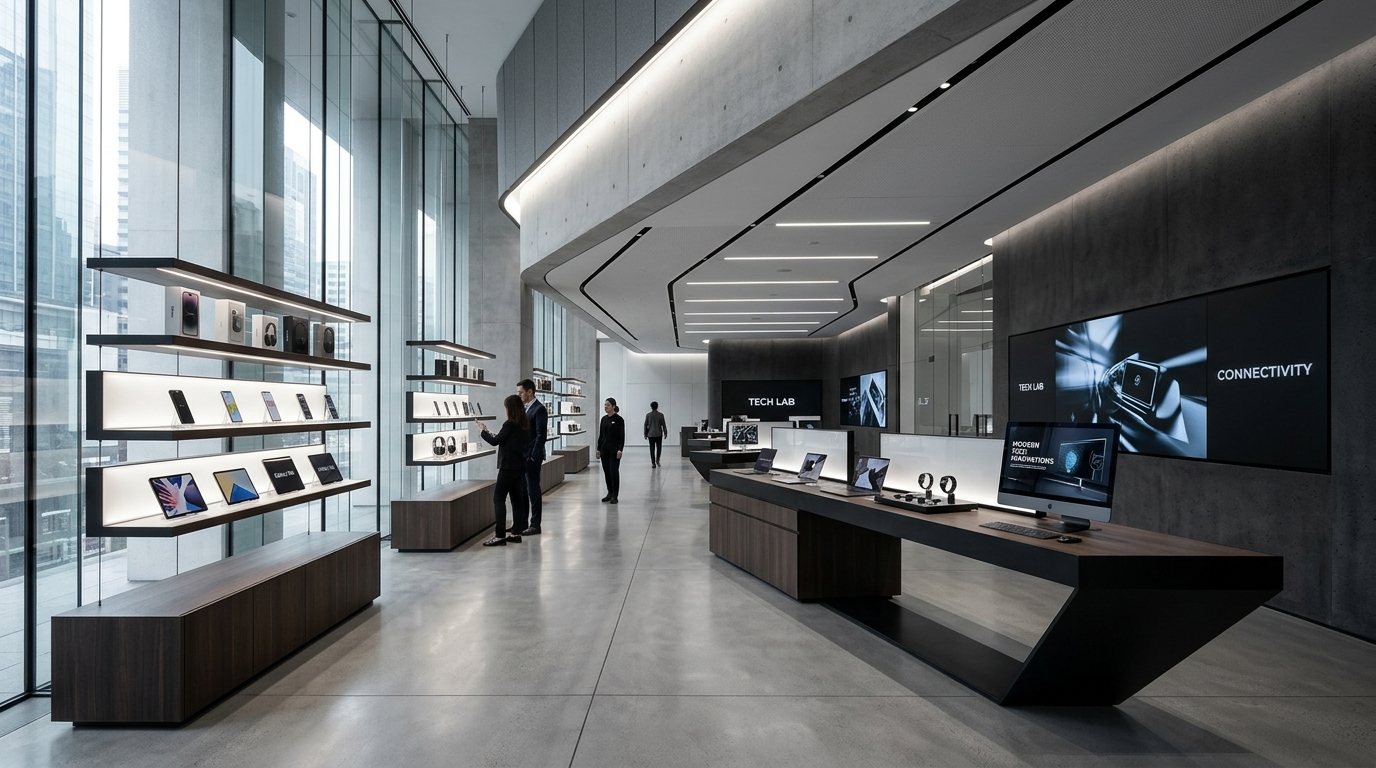
Technical Specifications: Generic Office vs. Certified Life Sciences
| Parameter | Standard Commercial Office | Specialized Life Sciences & Lab |
|---|---|---|
| Vibration Tolerance | Standard ambient (ISO Class 300) | VC-A to VC-E (< 50 µm/s to 3 µm/s) |
| Air Exchange Rate | 2–3 air changes per hour (ACH) | 8–12 ACH with 100% fresh single-pass air |
| Structural Slab Loading | 3.0–4.0 kN/m² | 7.5–12.5 kN/m² (reinforced concrete) |
| Power Density | 35–50 W/m² | 120–250 W/m² + N+1 generator backup |
| Clear Floor-to-Ceiling | 2.8m–3.2m | 4.2m–4.8m (overhead MEP & exhaust runs) |
🔬 Key Technical Metric: Over 74% of biotech relocations aborted after physical site tours in Germany fail due to inadequate ceiling clearance for dedicated hazardous exhaust runs or insufficient electrical grid capacity.
The Anatomy of Multi-Dimensional Laboratory Underwriting
To eliminate friction and compress the leasing timeline from 12 months to under 6 weeks, Optcl applies a multi-dimensional spatial underwriting framework tailored specifically to technical commercial asset classes.
By evaluating the asset’s mechanical, electrical, and plumbing (MEP) baseline against the occupier’s experimental workflows, technical compatibility is confirmed before the first site visit.
1. Structural & Dynamic Mechanics
- Vibration Criteria: Optical microscopes and gene sequencers require stringent vibration control (VC-A through VC-E curves: 50 µm/s to 3 µm/s). Conventional concrete slabs transmit ambient highway or rail vibration, rendering sensitive analytics unusable.
- Structural Floor Loading: Wet labs require slab capacities between 7.5 kN/m² and 12.5 kN/m² to support heavy instrumentation, shielding, and liquid handling automation.
- Clear Slab-to-Slab Height: Minimum 4.2m to 4.8m clear height is mandatory to accommodate heavy overhead HVAC ducting, dedicated exhaust risers, and utility drops.
2. Environmental & Atmospheric Engineering
- Air Exchange Rates: Continuous 6 to 12 ACH with pressure cascades to maintain cleanroom integrity (ISO 7 / ISO 8 standards).
- Dedicated Hazardous Exhaust: Segregated acid waste lines, fume hood exhaust chases, and HEPA filtration plenums that cannot commingle with general building HVAC.
- Plumbing and Waste Neutralization: pH neutralization systems, reverse osmosis/deionized (RO/DI) water distribution, and piped medical gas loops (compressed air, vacuum, CO₂, liquid nitrogen).
3. Electrical Resilience & Permitting
- Power Density: Lab spaces consume between 120 W/m² and 250 W/m²—nearly 4x standard commercial office requirements.
- Emergency Generator Redundancy: N+1 backup diesel or battery power systems to protect multi-million-euro bioreactors and cryogenic sample archives during grid interruptions.
- Regulatory Zoning: Direct alignment with German Gentechniksicherheitsverordnung (GenTSV) and infection protection protocols.
Detecting Biotech Growth Signals 6–9 Months in Advance
Because laboratory buildouts require extensive capital and long lead times, timing is paramount. Developers cannot wait for an occupier to initiate a public search. They must engage during the strategic planning window.
Optcl tracks the early-stage operational signals that precede commercial lab expansion:
- Venture & Non-Dilutive Capital Triggers: Seed-extension and Series A/B announcements across specialized European biotech funds, matched with Horizon Europe and SPRIN-D innovation grant awards.
- Clinical Trial Milestones: Progression from pre-clinical research into Phase I/II human clinical trials under European Medicines Agency (EMA) protocols, which immediately mandates expanded quality control (QC) and analytics footprint.
- Key Scientific Appointments: Hiring waves for Head of Chemistry, Manufacturing, and Controls (CMC), Director of Regulatory Affairs, or Cleanroom Facility Managers—clear operational markers of impending physical spatial expansion.
Unlocking Liquidity in European Specialized Assets
Developing high-spec laboratory infrastructure represents one of the highest-yielding opportunities in modern commercial property. However, speculative lab development without tenant visibility introduces extreme balance sheet risk.
By deploying rigorous technical spatial underwriting alongside predictive occupier intelligence, forward-thinking asset managers de-risk laboratory developments, accelerate pre-letting velocity, and establish durable institutional value.
Learn more about Optcl's Specialized Technical Asset Coverage and explore our approach to predictive Demand Routing & Market Telemetry.